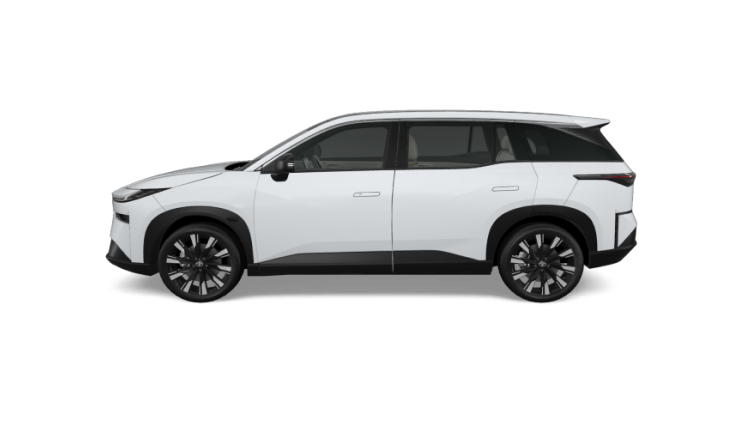
Making the switch to an electric car comes with many benefits to your day-to-day routine, including the reduced running costs compared to a car with an engine.
The drivetrain of an EV is much simpler and is made up of far fewer parts than a petrol or diesel engine, which means it’s more affordable to repair and maintain. It is still important to stay in the know about the various maintenance needs of an EV and how they differ from a petrol or diesel car, and how much this will cost.
In this article:
What maintenance do electric cars require?
With far fewer moving parts than a petrol or diesel engine, there’s a lot less to go wrong. But like any car, there are still a few key areas you should keep an eye on:
- Tyre pressure
Electric cars can weigh more than cars with an engine due to the weight of the battery. This can cause more wear and tear on the tyres over time. You can minimise this by checking tyre pressure regularly. - Coolant
Coolant manages the temperature of the battery in an EV, and this will need topping up sometimes – this should only be done by a qualified technician. - Oil
Electric cars require no oil changes, spark plugs or timing belt changes. The oil inside the reduction gearboxes will need changing sometimes, though. - Brakes
EVs use regenerative braking alongside conventional brakes. This means they redirect the lost energy from slowing down back into the battery. Brake fluid, pads and discs might need replacing every now and then.
How maintenance differs from petrol cars
Unlike petrol or diesel cars, electric cars are more reliable thanks to fewer moving parts. The drivetrain of an electric car is made up of around half a dozen moving parts, which contributes less to wear and tear and much less maintenance. Going electric means no oil changes, no gasket changes and no clogged valves.
As well as no engine, EVs benefit from having no exhaust pipe, which means no need to repair or replace pipes, mufflers or catalytic converters, which are all common maintenance issues in non-electric cars.
The main maintenance cost will come from the battery itself. As EV batteries age, they lose the ability to hold charge over time and the range of the car will become less. However, it is estimated that a typical lithium-ion battery will last at least 100,000 miles before losing range. Following the manufacturer’s advice on good battery maintenance will prolong the life of the battery and reduce wear and tear. You can learn more about this in our guide to battery life.

Typical maintenance costs
While EVs require no spending on oil changes and engine fluids, filter changes, brake pads and tyre replacement are all costed as the same, or similar to, a petrol car. However, it should be remembered that the frequency of repairs and maintenance will be much less with an electric car. So not only are you saving from less maintenance on fewer parts, but most EVs will require less frequent repairs too.
Servicing
Just like any car, an EV will need regular servicing as recommended by the manufacturer. Unlike a car with an engine, your service will follow a different format and will involve different checks, including:
- Battery check
- Visual check of high-voltage cabling
- Cooling pipework check
- Brake check
- Suspension check
- Tyre wear and tear check
- Windscreen wiper and fluid check
When your electric car reaches three years old, it will need to be booked in for a yearly MOT just like a petrol or diesel car. While the cost of the MOT will be the same, the check will be quicker thanks to fewer parts, so you can get back on the road much faster.
And bear in mind that if you’ve chosen an AION car, you’ll enjoy the AION Great 8 offer, which includes 8 years of complimentary MOTs – that’s six annual roadworthiness tests, covering years 3 through to 8 of AION ownership.
Tyres
There is a wide choice of tyres available for EVs, but they do tend to be more expensive than for non-electric cars, as EVs are much heavier due to the weight of the battery. EVs also provide all torque instantly, unlike petrol/diesel cars that accelerate gradually, which can also increase wear and tear. Checking your tyres regularly for bulges, tracks, uneven wear and baldness can help prolong the life of those tyres.
Brakes
Most EVs run using regenerative braking; this happens when the electric motor goes into reverse to slow down the car, and this wasted energy is then diverted to charge the battery as the car’s speed reduces. While this kind of braking does rely on brake discs and pads, they are engaged much less, which means they need replacing much less often.
Software updates
EVs are often just as reliant on their software to maintain their performance on the road as their mechanical components. Free software updates can now be done ‘over the air’, so there’s no need to visit a dealership or mechanic; you can update the software to improve your car’s drivability while it’s sitting on your driveway at no extra cost.

Long-term maintenance savings
While the initial investment in an electric car can feel like a big step, most UK drivers will find that the long-term costs of maintaining an EV will be much lower than those of a car with an engine.
- Fewer parts means less maintenance
- Maintenance is less complex and labour-intensive thanks to fewer parts
- On the right tariff using a home charging port, charging up your EV is much cheaper than filling a car with fuel
- While a battery replacement is a major cost involved with owning an EV, they can last an average of 100,000 miles before they need replacing
- Regenerative braking helps to prolong the life of the brake pads and increases range
- Generally speaking, maintenance costs are much more predictable than for a car with an engine, and therefore much more budget-friendly for routine maintenance
If you want to take a closer look at comparative breakdown and maintenance issues, our article on EVs vs. ICE reliability is a good place to start.
Warranties and servicing support
Depending on which manufacturer you choose, EVs and their batteries come with varying warranties.
For example, AION comes with an 8-year/100,000-mile warranty and an 8-year/125,000-mile battery warranty as standard on every car, guaranteeing a replacement if performance ever falls below 70% of its original charge capacity. You also get 8 years’ free AA Roadside Assistance and all AION parts are also covered by their own 2-year warranty. That gives you a whole lot of confidence that, although you’re less likely to require repairs or recovery call-outs with an EV like AION, it’s all covered if you do.
It’s also worth noting that, if maintained well, the average electric car battery can last up to 10 years or 100,000 miles before losing range, so it would be unlikely that you would run into any significant battery issues throughout the course of your ownership.
The final charge
- While the initial cost of buying an EV can feel like a big step, the day-to-day and long-term maintenance costs are often lower than for a petrol or diesel car.
- With fewer moving parts, no oil changes, no exhaust and less wear and tear on the brakes thanks to regenerative braking, there are fewer parts to go wrong.
- You should be mindful of battery and tyre maintenance, but modern EV batteries are built to last and are backed by generous warranties for added peace of mind.
- Overall, electric cars are simpler, more predictable and more affordable to maintain and own in the long term – making them not just a greener choice, but a smart investment too.