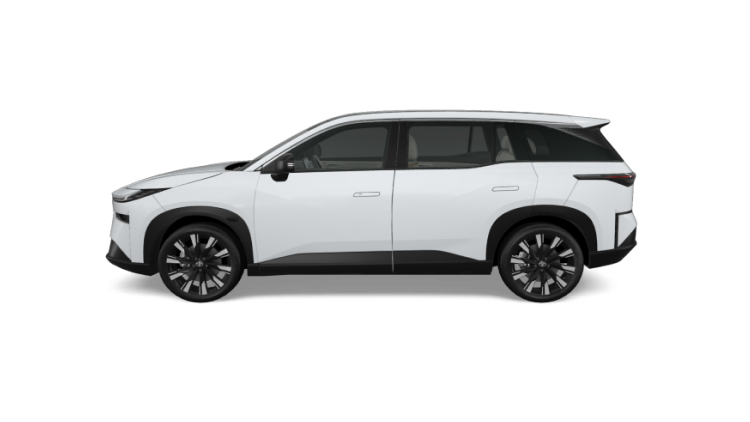
Opting for an electric vehicle can make everyday life a lot easier and much cheaper, but there are a few key things to understand before you make the switch. One of the main considerations is knowing how to charge your electric car at home.
Home charging is the most convenient way to keep your EV powered – charge while you sleep and start every day at 100%. Once set up, it’s simple, cost-effective and becomes part of your daily routine, just like charging your phone overnight.
In this article:
What you need to charge an electric car at home
EVs bought in Europe usually come with a Type 2 charging connector, which is part of a Combined Charging System 2 (CCS2). The car has functionality that can communicate with the chargers to figure out their compatibility; all you need to do is find the right plug and connector, and the EV will do the rest.
It’s also possible to charge your electric car using solar energy by installing a solar photovoltaic (PV) system at your home. Solar panels can convert sunlight into electricity, which can then be used to charge your car. If your solar panels generate more electricity than you use, this can be fed back into the grid – which you can be compensated for in credits.
Home charger types and charging speeds
A home charging point is typically mounted to an external wall or installed inside a garage, and works by connecting either a tethered charging cable or a socket that you plug your car’s own cable into. These chargers are designed specifically for electric vehicles, so you can charge up quickly and safely. They include built-in safety features to prevent overheating, and are weatherproof for safe year-round use.
While it’s possible to charge your electric car using a standard household socket, it’s not considered safe or efficient. Household sockets are designed for lower-power appliances, so charging an EV this way is very slow and not recommended. It can take up to a whole day to reach a full charge. Over time it can also put additional strain on your home’s electrical system, which is why most EV manufacturers and energy providers strongly recommend installing a dedicated home chargepoint.
Dedicated home charging stations usually supply around 7kW of power, which is almost double the output of a regular household socket. This allows for much faster and safer charging. Depending on your home’s electrical supply, 22kW home chargers are also available. These provide even quicker charging speeds and are ideal for drivers who are looking for a quicker, more convenient charge or travel long distances regularly.
Charging your car at home also allows you to take advantage of the cheaper off-peak electricity charges which are often available overnight. On the right tariff, charging an EV can cost as little as 2p per mile – much cheaper than running a diesel engine at around 6.37p per mile.

Installing a home charger
When installing a home charger, location is important. It’s recommended you install the charger on an external wall or inside a garage, close to where you usually park the car.
The charger is connected directly to your home’s mains electricity supply by a qualified EV charger electrician. They’ll need to assess your electrical system to ensure the right charger is being used. In most cases installation takes around three hours, although this can vary depending on your home setup. You can search online for qualified EV charger specialists, or many car dealerships will provide recommendations.
Am I eligible for any EV government grants?
Another benefit of switching to electric is that EV drivers may be eligible for financial support towards the cost of installation. The EV Chargepoint Grant currently offers up to 75% off the cost of a home charger installation, capped at £350 including VAT. To qualify, you must own, lease or have ordered an eligible electric vehicle and either:
- own and live in a flat
- rent any residential property
- own or rent a residential property that does not have access to off-street parking
Full eligibility requirements can be found here.
How long does it take to charge an EV at home?
The time it takes to charge your electric vehicle at home depends on various factors, including the size and efficiency of the battery in your car and the charging method you use. Charging speed is also influenced by the maximum rate your car can accept, as not all EVs can use higher-powered chargers.
If you’re charging using a standard household socket, a full charge can take up to 20 hours. If you’re waiting for an installation date, you may have to charge your new car this way, but it’s not recommended as a long-term solution.
A dedicated home charging station can access a 240-volt electrical supply, allowing for much faster charging. With a 7kW charger, you can typically charge around 10 to 30 miles of range per hour. Depending on your vehicle’s battery capacity, a full charge usually takes between 4 and 10 hours – ideal for overnight charging while you sleep.
Faster charging methods that can deliver an 80% charge in as little as 30 minutes are available at public charging locations, but not generally for home use.
What if I don’t have off-street parking?
Chargepoint accessibility is currently one of the largest barriers to EV adoption, with around 30% of households in the UK not having access to off-street parking. As EV uptake increases, so will the demand for low-cost on-street charging options.
Lamppost and bollard chargepoints are becoming increasingly common across the UK. By converting streetlights into dual-purpose low-cost charge points, the existing streetlight infrastructure in built-up areas can be used to help electric driving fit naturally into city and town living. They work on a pay-as-you-go basis, which allows drivers to pay per kilowatt-hour (kWh) of energy used.
While you cannot be eligible for the EV Chargepoint Grant when using on-street parking, you can get in contact with your local council and ask them to consider installing a chargepoint on your street. Your local authority can access the On-Street Residential Chargepoint Scheme and apply for funding to provide more residential areas with on-street charging.
Businesses are also able to apply for similar funding to the EV Chargepoint Grant through the Workplace Charging Scheme to provide chargepoints for their workforce.

The final charge
- Everyday convenience – home charging lets you start each day with a full battery, reducing disruption and removing the need for regular stops.
- Lower running costs – charging overnight at home is typically the most affordable way to run an electric car.
- Flexible solutions for different homes – practical options to suit most living situations are on the rise.
- Simple, safe installation – your EV retailer or qualified installer can recommend the right charger and ensure it’s fitted safely and efficiently.
- A routine that just works – once set up, home charging quickly becomes a cheaper, cleaner and easier part of everyday driving.