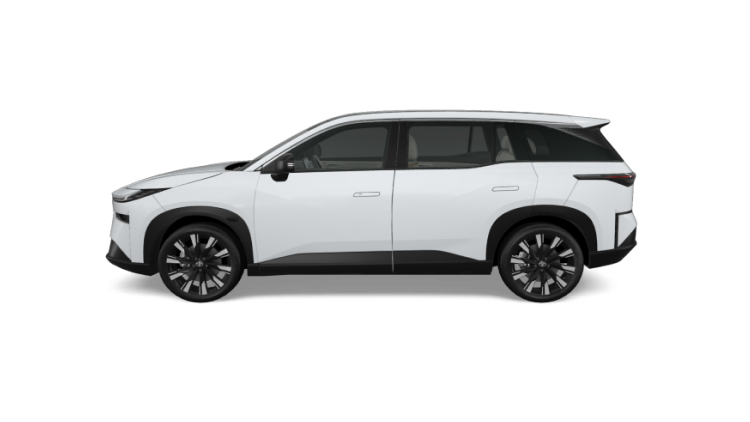
Electric vehicles offer a cleaner alternative to petrol and diesel cars but, like any vehicle, how you drive and care for your EV can have a big impact on your car’s range and how much you spend on charging it. Small changes in driving habits, charging routines and understanding how your EV uses energy will help boost efficiency, prolong battery life and make your journeys easier and more cost-effective.
In this article:
How efficient are electric cars?
The efficiency of electric cars is usually measured in miles per kilowatt-hour (miles/kWh). This shows how far a car can travel using one unit of electricity stored in its battery. Higher miles/kWh means the car uses energy more efficiently. Electric cars are generally better at converting battery energy into miles than petrol or diesel cars.
How to drive to maximise efficiency
Your driving habits are a major factor when it comes to affecting the range of an EV. Here’s how to make sure you can always go the distance with every charge:
Smooth, predictable driving
- Reducing your speed slowly over a longer period of time through gentle, controlled braking reduces wasted energy and makes the most of the regenerative braking of EVs. This is where the car directs energy back into the battery when slowing down.
- Maintain steady speeds and avoid aggressive acceleration that also eats up energy.
Watch your speed
- Driving at higher speeds means more energy is lost to air resistance.
- Using adaptive cruise control can help maintain a constant speed, which helps with energy efficiency.
Use built-in eco features
- Many EVs have functionality like ‘eco mode’, which makes adjustments to your car’s energy use. You’ll find speeding up becomes slower, and features like air con are turned down, but what you lose in acceleration you make up for with battery range.
Plan ahead
- Easier said than done, but choosing routes with fewer hills and less high-speed motorway driving helps make your drive more efficient.
- Lighten the vehicle and remove roof racks not in use or heavy items to reduce unnecessary energy wastage.
Temperature
- Heating and cooling systems sap a lot of battery energy; try using the car’s pre-conditioning functionality while still plugged in to save on battery charge.
How to charge to maximise efficiency
Good charging habits don’t just make life easier, but are key when it comes to maximising the efficiency of your EV.
Less is more
- It’s recommended you avoid regularly charging to 100% unless you need the full range for a long trip. Most EVs work best at a 20-80% charge routine to help prolong battery life.
Frequent, smaller charges
- Topping up often with slow charging is better for the battery than longer, less-frequent cycles.
Avoid regular rapid charging
- While a safe and convenient option in a pinch, high-power rapid chargers shouldn’t be relied upon every day as this can increase battery degradation.
Adjust to the weather
- Charging in mild temperatures and pre-conditioning the battery before fast charging makes energy usage much more efficient.

What drains an EV battery the most?
Maximising the efficiency of your EV’s energy use is not only good for the planet, but makes life much easier and cheaper for you – and there’s lots you can do to make a difference every day:
- Air conditioning and heating use a lot of energy, especially in very hot or cold weather.
- High-speed aggressive acceleration and sharp braking use a lot of energy.
- Interior lights, entertainment systems and phone charging all use battery power.
- Batteries become less efficient in extreme hot or cold weather, reducing range and making charging slower.
- Charge regularly but avoid extremes of very high or low battery charge to support battery health.
- Underinflated tyres and large wheels increase rolling resistance and can reduce range.